
A good personal trainer workout program should match your goals, experience, schedule, recovery capacity, and budget. Use this practical checklist to compare plans, spot red flags, and decide whether coaching is worth the cost.
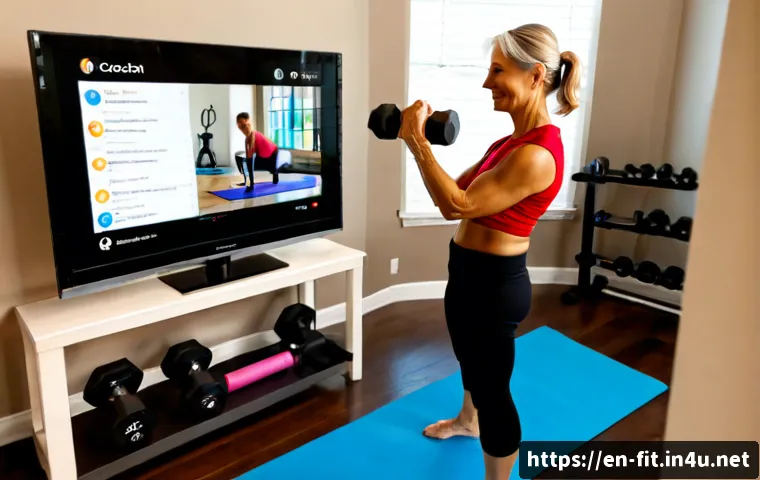
A worthwhile personal trainer workout program has a clear goal, a realistic weekly structure, and a plan to adjust training as you progress or recover.
Before buying more sessions or an online coaching membership, compare the support you receive—not just the advertised session price. The best option depends on whether you need hands-on form feedback, flexible scheduling, accountability, or a detailed program you can follow alone.
A polished social media feed or a hard workout is not enough evidence that a fitness coaching service fits your needs. Review the assessment process, updates, communication, gym access, and total package terms before you commit.
At a Glance
- Start with the goal: A useful program connects each workout to strength, muscle gain, general fitness, sport performance, or improved movement capacity.
- Look for adjustment: Training demands should progress over time, while recovery, pain, missed sessions, and changing schedules are taken seriously.
- Compare total support: Personal training packages, online coaching, and gym training services can differ in feedback, access, scheduling, and program updates.
| Program Type | Best for | What to Compare | Watch For |
|---|---|---|---|
| In-person personal training | People who want live guidance and hands-on form feedback | Session length, trainer availability, gym access, assessment, and between-session support | Packages that include little planning outside the session |
| Online coaching | People who need flexible scheduling and a repeatable plan | Check-in process, exercise feedback, program updates, communication, and equipment needs | Generic templates presented as individualized coaching |
| Hybrid coaching | People who want occasional in-person review plus independent training | How often live sessions occur and what online support is included | Paying for duplicate services you will not use |
| Self-guided program | Experienced exercisers comfortable planning and tracking their own work | Clarity of the plan, equipment fit, progression guidance, and your ability to stay consistent | No reliable way to adjust when recovery or progress changes |
What a Worthwhile Trainer-Led Workout Plan Should Include
A Goal, Baseline Assessment, and Realistic Starting Point
A trainer-led plan should begin with a clear training goal. “Get fit” can be a starting conversation, but the program should eventually focus on a practical direction such as building strength, gaining muscle, improving general fitness, returning to regular exercise, or preparing for a sport-related goal.
The starting point matters just as much. A useful assessment may consider your training experience, available equipment, schedule, current movement capacity, and the exercises you can perform comfortably. This does not mean every client needs an elaborate test. It means the plan should not assume you have the same history, time, or recovery capacity as everyone else.
If you have an injury, persistent pain, pregnancy-related concern, or relevant health condition, ask whether qualified clinical or medical guidance is needed before beginning or changing the program.
A Repeatable Weekly Structure Instead of Random Hard Workouts
A good workout program gives you a repeatable weekly structure. You should know what you are training, when you are training it, and why the sessions are arranged that way. A hard session can feel productive, but random intensity is not the same as a structured plan.
For example, a busy client may need a simple schedule that fits around work demands. Someone returning to the gym may need fewer moving parts and more practice with basic movement patterns. The right structure is the one you can follow consistently, not the one that looks most impressive on paper.
Progression, Recovery, and a Way to Track Changes
Resistance-training programs commonly use progressive increases in training demands over time. That might involve changes to exercise selection, volume, difficulty, or other parts of the plan. The important question is whether the trainer explains how progression will be handled and when it will be reviewed.
Recovery also needs a place in the conversation. Sleep, work demands, exercise volume, training experience, and health status can all affect how someone responds to training. If you report poor recovery, pain, or consistently missed sessions, a qualified trainer should be prepared to adapt exercise selection, volume, or progression.
Compare In-Person Training, Online Coaching, and Hybrid Programs
Coaching Access, Form Feedback, and Accountability
In-person personal training can offer immediate observation during a session. This may be useful when you want direct feedback while learning unfamiliar exercises or building gym confidence. Online fitness coaching may offer more flexibility, but ask exactly how form feedback works and how often the coach reviews your training.
A hybrid plan can combine occasional live sessions with an online workout program. It may suit someone who wants a professional check-in without scheduling every workout around a trainer. The value depends on the actual level of support, not the label on the package.
Flexibility, Scheduling, and Equipment Requirements
Before comparing a personal training package with an online coaching membership, check the practical details. Can you train at the required times? Does the plan assume access to a particular gym or equipment? What happens if work, travel, or family responsibilities interrupt your usual week?
Flexibility is part of program quality. A plan that only works during an ideal week may be difficult to maintain. Ask how missed sessions are handled and whether the program can be revised when your schedule changes.
What to Compare Beyond the Advertised Session Price
The session price alone does not show the full value of a gym training service. Compare what is included: initial assessment, individualized programming, program revisions, check-ins, messaging access, exercise feedback, gym access, and the length of each appointment. Trainer credentials, location, insurance, and support policies should also be independently verified.
A lower-priced option may be sensible if you mainly need a simple plan and occasional accountability. A higher-cost option may make more sense when the added support solves a real problem for you, such as scheduling barriers, form feedback, or the need for regular program adjustments.
How to Judge Value Before Buying a Training Package
Questions to Ask About Assessments, Program Updates, and Check-Ins
Ask direct questions before committing to multiple sessions:
- How will my goals and starting point be assessed?
- How often is the workout program reviewed or updated?
- What happens if I have pain, poor recovery, or cannot complete the planned sessions?
- Is communication between sessions included in the coaching service?
- What equipment and gym access does the plan require?
Clear answers suggest a more transparent coaching process. Vague answers do not automatically prove poor quality, but they make it harder to judge what you are paying for.
When a Lower-Cost Plan May Be Enough
A lower-cost plan may be enough if you already understand basic gym routines, can train independently, and mainly want structure. It can also fit someone who does not need frequent feedback and prefers a straightforward program they can repeat around a stable schedule.
Be honest about what you will use. Paying for unlimited messages or frequent check-ins has little value if you prefer to train without regular contact.
When Paying More May Make Sense
Paying more may be reasonable when the service provides support you will actually use. That could include in-person feedback, detailed program adjustments, accountability, or a hybrid format that helps you stay consistent. The decision should be based on useful coaching support, not promises of guaranteed results.

Common Program Red Flags and Avoidable Mistakes
One-Size-Fits-All Routines With No Adjustment Process
A template is not automatically a bad program. The concern is a routine presented as personal coaching when there is no process for adapting it. If every client receives the same exercises, volume, and progression regardless of experience or schedule, ask how the trainer individualizes the plan.
Promises of Guaranteed Rapid Results
Be cautious when a trainer or online coaching service guarantees a specific amount of weight loss, muscle gain, or performance improvement. Individual responses vary, and results can be influenced by recovery, consistency, health status, training history, and many other factors.
Ignoring Pain, Fatigue, Movement Limitations, or Schedule Constraints
A program should not treat pain, fatigue, and repeated missed sessions as failures to push through. These signals may require changes to the plan or, in some cases, qualified medical or clinical guidance. A trainer who ignores your stated limits may not be offering a practical long-term solution.
Which Type of Program Fits Your Starting Point?
Beginners Learning Gym Confidence and Basic Movement Patterns
Beginners may benefit from a trainer who can explain basic movement patterns, create a manageable routine, and reduce uncertainty in the gym. In-person sessions or hybrid coaching can be useful if live feedback helps you feel more confident. Keep the first plan simple enough to repeat.
Busy Adults Who Need Efficient Sessions and Flexible Scheduling
Busy adults often need a program that works during ordinary weeks, not just perfect ones. Online coaching or a hybrid model may fit if it provides clear workouts, realistic equipment options, and a way to adjust around changing demands. Ask whether the plan can accommodate missed sessions without becoming confusing.
Experienced Exercisers Seeking Structure, Feedback, or a Performance Goal
Experienced lifters may not need constant supervision, but they may value a structured progression plan, outside feedback, or support around a specific performance goal. Compare whether the coach can explain the purpose of the program and how changes will be made when progress stalls or recovery becomes difficult.
Selection Criteria and Comparison Summary
Use this five-point check before choosing a trial session, monthly plan, or longer personal training package:
- Goals: Does the program clearly match what you want to improve?
- Coaching: Is the level of feedback and accountability clear?
- Progression: Is there a sensible way to increase training demands and review progress?
- Flexibility: Can the plan adapt to your equipment, schedule, recovery, and missed sessions?
- Total cost: Have you compared the full support package rather than only the session price?
A trial session can help you assess communication and coaching style before a longer commitment. For online coaching memberships, personal training packages, and hybrid plans, review the official service details and package conditions before purchasing.
Pause or switch coaches if the plan repeatedly ignores your feedback, remains generic despite your stated needs, or does not provide the level of support you expected. Seek qualified medical advice when pain, injury concerns, pregnancy-related concerns, or relevant health conditions affect exercise decisions.
Closing Thoughts
The best trainer workout program is not necessarily the most intense or the most expensive. It is one that gives you a clear direction, fits your real life, and can change when your needs change. Compare coaching support, flexibility, and program quality before committing to more sessions. A clear conversation before purchase can prevent an expensive mismatch later.
Useful Things to Know
1. Trainer credentials, experience, insurance, and coaching quality should be verified independently.
2. Session length, gym access, online support, and package terms can vary widely between providers.
3. Consistency and recovery are practical parts of value, not extras.
4. A simpler program you can complete may be more useful than a complex plan you regularly miss.
Important Notes
This guide cannot determine whether a specific trainer, gym membership, or online trainer is appropriate for you. It also cannot predict individual weight loss, muscle gain, or performance results. Exercise choices may need medical or qualified clinical guidance when injuries, persistent pain, pregnancy-related concerns, or relevant health conditions are involved.
Frequently Asked Questions
Q1. How much should a personal trainer workout program cost?
A1. Costs vary widely by location, trainer, session length, gym access, credentials, and the amount of online support included. Compare the complete service—assessment, program updates, check-ins, and feedback—rather than judging value from the advertised session price alone.
Q2. Is online fitness coaching as effective as working with a trainer in person?
A2. It can be a practical option for people who value flexibility, structured programming, and remote check-ins. In-person training may be more suitable when live form feedback and direct guidance are especially important. The better choice depends on the support you need and can use consistently.
Q3. What are the warning signs of a poor personal training program?
A3. Common warning signs include guaranteed rapid results, a one-size-fits-all routine with no adjustment process, unclear package terms, and ignoring pain, fatigue, recovery problems, movement limitations, or repeated scheduling barriers.