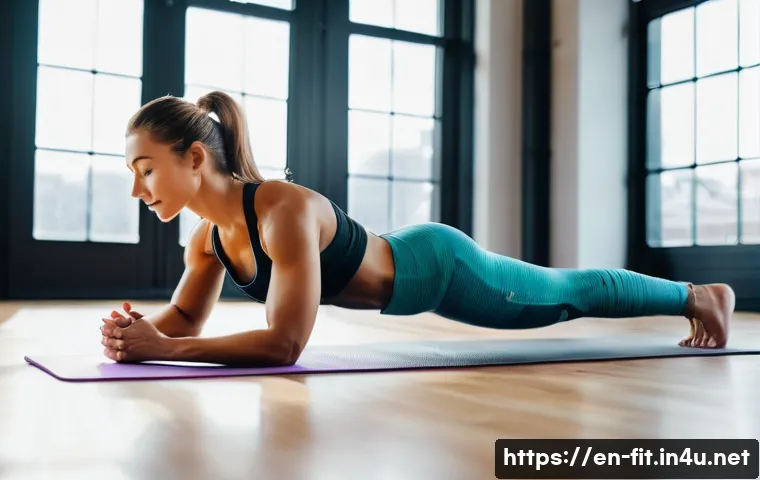
When it comes to achieving lasting fitness results, partnering with a skilled health trainer can make all the difference. These professionals tailor workouts to your unique needs, helping you stay motivated and injury-free.
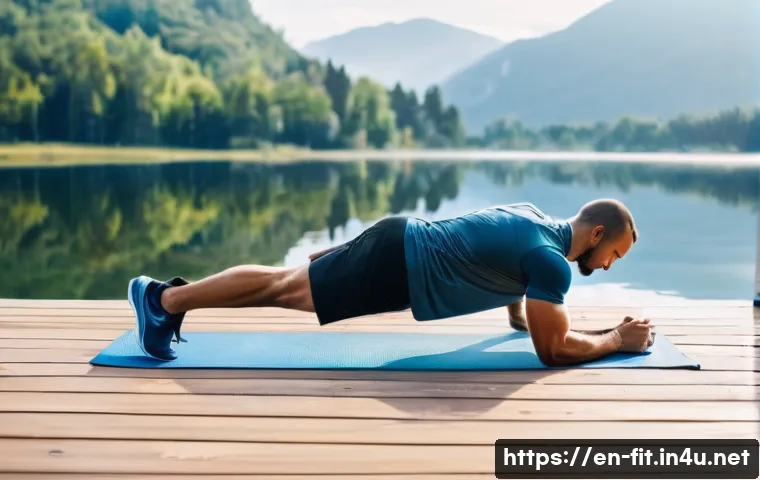
One of the most crucial elements they emphasize is core training, which strengthens your body’s foundation and enhances overall performance. From improving posture to boosting athletic ability, a strong core is the secret weapon many overlook.
Ready to unlock the full potential of your workouts? Let’s dive deeper and explore exactly how core training can transform your fitness journey!
Building a Strong Foundation: Why Stability Matters More Than You Think
Understanding the Role of Core Stability in Everyday Movement
When I first started focusing on stability training, I was amazed at how much easier everyday activities became. The core isn’t just about having visible abs; it’s the central hub that supports almost every movement we make.
From reaching for something on a high shelf to standing for long hours, a stable core keeps the spine aligned and reduces unnecessary strain on muscles and joints.
Without this foundation, even simple tasks can lead to discomfort or injury over time. In my own experience, clients who prioritized stability noticed better balance and less fatigue during daily routines.
The Connection Between Core Strength and Injury Prevention
A friend of mine once told me he kept getting lower back pain despite regular workouts. After we added focused stability exercises, the pain diminished significantly.
The reason? A weak core often forces other muscles to compensate, which can create imbalances and lead to injury. Strengthening the deep abdominal muscles, pelvic floor, and lower back not only cushions the spine but also distributes forces evenly during movement.
This preventative approach is something most people overlook until it’s too late, but it’s a game changer for anyone wanting to stay active long-term.
How Stability Training Boosts Athletic Performance
Athletes swear by core stability drills because they enhance power transfer between the upper and lower body. I’ve seen runners improve their stride efficiency and reduce fatigue by integrating these exercises into their routine.
When the core acts like a solid pillar, energy flows more effectively, resulting in better speed, agility, and endurance. Even if you’re not a professional athlete, this translates to improved performance in recreational sports or simply feeling stronger during workouts.
It’s a subtle but impactful upgrade to your training arsenal.
Unlocking Functional Movement Through Targeted Strength
Why Functional Strength Outweighs Pure Muscle Size
It’s tempting to chase big muscles, but functional strength—especially in your core—makes a bigger difference in real life. I remember a client who was all about heavy lifting but struggled with basic movements like bending or twisting.
By shifting focus to functional core exercises, she gained better control over her body and felt more confident moving in different directions. This type of strength supports complex, multi-joint movements and helps prevent the stiffness and tightness that come from isolated training.
Integrating Core Strength into Full-Body Workouts
Rather than treating core exercises as an afterthought, I like to weave them into full-body routines. For example, combining planks with push-ups or dead bugs with squats keeps the core engaged throughout the session.
This approach mirrors how the body naturally works in daily life, where your core supports every action. Clients report feeling a stronger mind-body connection and faster progress when core work isn’t siloed but part of an integrated program.
Common Mistakes to Avoid When Building Core Strength
One thing I often see is people relying too much on crunches or sit-ups, thinking that’s the way to get a strong core. The truth is, these exercises mostly target the superficial muscles and neglect deeper stabilizers.
Also, rushing through movements or using improper form can do more harm than good. Taking time to master controlled breathing, proper alignment, and slow, deliberate motions makes a huge difference in results.
Remember, quality beats quantity every time in core training.
Enhancing Posture for Pain-Free Living
How Core Strength Directly Influences Spinal Alignment
When I started paying attention to posture in my training, I noticed how often weak core muscles caused slouching or rounded shoulders. A strong core acts like a natural brace, holding the spine in optimal alignment and reducing the load on discs and ligaments.
This not only improves appearance but also alleviates chronic pain issues like neck strain and lower back discomfort. Clients who commit to this focus often report feeling taller and more confident, both physically and mentally.
Posture Correction Strategies That Work
Beyond just core exercises, I encourage awareness throughout the day—whether sitting at a desk or walking. Simple cues like “engage your abs” or “lengthen through the crown of your head” help reinforce good posture habits.
Pairing these with targeted core workouts creates a feedback loop that strengthens muscles and retrains the nervous system. Over time, maintaining healthy posture becomes second nature, which is the ultimate goal.
The Ripple Effect of Improved Posture on Overall Health
Better posture doesn’t just mean fewer aches; it impacts breathing, digestion, and energy levels too. I’ve personally noticed that when my posture improves, I breathe deeper and feel more energized throughout the day.
This happens because an aligned spine allows the diaphragm to function properly and reduces unnecessary tension. It’s fascinating how something as simple as standing or sitting correctly can influence so many aspects of wellness.
Maximizing Workout Efficiency with Core Engagement
Why Activating the Core Enhances Every Exercise
One tip I always share with clients is to consciously engage the core during all types of workouts. Whether lifting weights, running, or doing yoga, a braced core stabilizes the body and improves force production.
This means you can lift heavier, move faster, and reduce injury risk. I remember feeling a big difference myself after learning to “brace like you’re about to get punched in the stomach” during squats.
That simple cue transformed my entire training experience.
Progressions and Variations to Keep Core Training Challenging
Sticking to the same core routine can get boring and stall progress. Mixing in progressions like adding instability (using a balance ball or BOSU), increasing hold times, or incorporating dynamic moves keeps things fresh and effective.
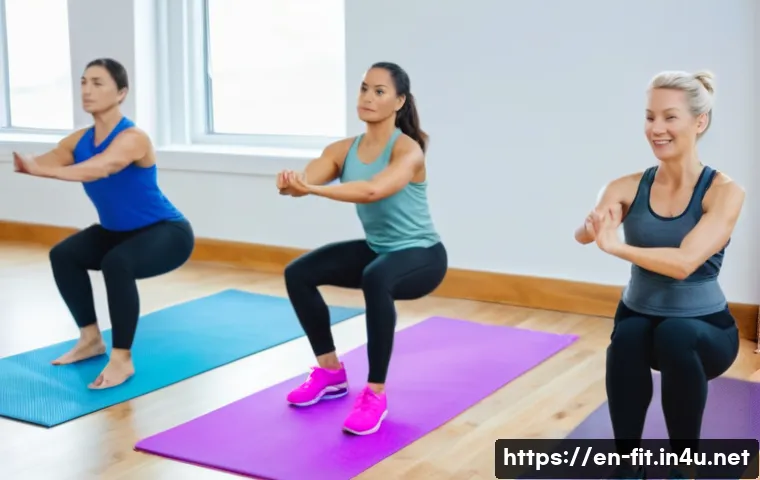
For example, side planks with leg lifts or bird dogs with a twist challenge coordination and strength simultaneously. I like to design programs that evolve with the individual’s ability, ensuring constant improvement.
Tracking Core Strength Gains and Setting Realistic Goals
Setting measurable goals is key to staying motivated. I often have clients test their plank hold times or do balance assessments at regular intervals.
Seeing incremental improvements keeps morale high and helps identify areas needing extra focus. It’s important to celebrate small victories because core strength builds gradually.
Remember, this is a journey, not a sprint.
The Role of Breathing in Core Activation and Control
How Proper Breathing Techniques Support Core Engagement
Breathing is often overlooked but is essential for effective core work. Diaphragmatic breathing, or “belly breathing,” helps activate the deep core muscles and creates intra-abdominal pressure that stabilizes the spine.
Early in my training, I struggled with shallow chest breathing, which limited my ability to hold core positions. Once I mastered breathing deeply and rhythmically, I noticed my endurance and control improved dramatically.
Common Breathing Mistakes During Core Exercises
Many people tend to hold their breath during tough core moves, which can increase blood pressure and cause dizziness. It’s crucial to maintain steady, controlled breaths throughout.
I coach clients to exhale during exertion phases and inhale during relaxation phases, which improves oxygen flow and muscle activation. This small adjustment often makes core exercises feel more manageable and less exhausting.
Incorporating Breath Work into Your Daily Routine
Beyond workouts, practicing mindful breathing can enhance overall core stability and reduce stress. I personally take a few minutes each day to focus on slow, deep breaths, especially after long periods of sitting or intense activity.
This habit not only reinforces core engagement but also promotes relaxation and mental clarity. It’s a simple, effective tool anyone can use.
Comparing Core Training Methods: Finding What Fits You Best
Traditional vs. Functional Core Exercises
Traditional core workouts often include crunches and sit-ups, which primarily target the rectus abdominis. Functional exercises, however, focus on the entire core complex including obliques, transverse abdominis, and lower back muscles.
Based on my coaching experience, functional movements tend to deliver more practical strength for daily activities. Clients who switch to these methods often report better results in balance and injury prevention.
Equipment-Based vs. Bodyweight Core Training
Using tools like stability balls, resistance bands, or medicine balls can add variety and challenge to core workouts. However, bodyweight exercises remain highly effective and accessible.
I’ve seen beginners gain solid foundation with planks and bird dogs before progressing to equipment. The key is to prioritize form and gradual progression regardless of the method chosen.
How to Customize Core Training to Your Lifestyle
Everyone’s body and schedule differ, so flexibility in core training is essential. Some clients prefer quick daily sessions at home, while others enjoy longer gym workouts with complex equipment.
I always emphasize listening to your body and choosing exercises that feel sustainable and enjoyable. Consistency beats intensity when it comes to long-term success.
| Core Training Aspect | Benefits | Common Exercises | Tips for Success |
|---|---|---|---|
| Stability | Improves balance, reduces injury risk, supports spine | Planks, Bird Dogs, Dead Bugs | Focus on slow controlled movements, maintain neutral spine |
| Functional Strength | Enhances real-life movement, improves power transfer | Squats with core bracing, Russian Twists, Medicine Ball Throws | Integrate into full-body workouts, avoid isolated crunches |
| Posture | Reduces pain, improves breathing, boosts confidence | Wall Angels, Glute Bridges, Cat-Cow Stretch | Practice throughout the day, use posture cues |
| Breathing | Supports muscle activation, increases endurance | Diaphragmatic breathing, Controlled exhales during exertion | Never hold breath, sync breathing with movement |
| Progression | Prevents plateau, keeps workouts engaging | Side Planks with Leg Lifts, Stability Ball Rollouts | Gradually increase difficulty, track improvements |
Conclusion
Building a strong and stable core is essential for improving daily movement, preventing injuries, and enhancing overall athletic performance. By integrating functional strength and proper breathing techniques, you set yourself up for long-term success and pain-free living. Remember, consistency and mindful practice are key to unlocking your body’s full potential.
Useful Information to Know
1. Core stability supports nearly every movement and reduces strain on muscles and joints throughout the day.
2. Strengthening deep core muscles helps prevent injuries by balancing muscle use and protecting the spine.
3. Functional core exercises offer more practical benefits than isolated movements like crunches.
4. Proper breathing techniques enhance core engagement and endurance during workouts.
5. Tracking progress and gradually increasing exercise difficulty keeps your training effective and motivating.
Key Takeaways
Core training is not just about aesthetics—it’s about building a foundation that supports your whole body. Prioritize quality over quantity by focusing on controlled, functional movements and integrating core work into your full-body routine. Don’t overlook the power of proper breathing to maximize muscle activation and workout efficiency. Lastly, maintain good posture daily to enhance your overall health and prevent chronic pain. Consistent effort and mindful practice will bring lasting benefits to your strength, stability, and well-being.
Frequently Asked Questions (FAQ) 📖
Q: Why is core training so important for overall fitness?
A: Core training is essential because it strengthens the muscles that support your spine and pelvis, which are central to almost every movement you make.
A strong core improves posture, balance, and stability, reducing the risk of injuries during exercise or daily activities. From my own experience, focusing on core workouts helped me lift heavier weights without back pain and boosted my endurance during cardio sessions.
It really acts like the foundation of your entire fitness routine, making other exercises more effective and safer.
Q: How can a health trainer personalize core training for my specific needs?
A: A skilled health trainer assesses your current fitness level, any existing injuries, and your goals before designing a core training plan tailored just for you.
For example, if you have lower back issues, they might avoid certain crunches and instead focus on gentle stabilization exercises like planks or bird dogs.
When I worked with a trainer, they adjusted my core workouts based on my progress and any discomfort I felt, which kept me motivated and prevented setbacks.
This personalized approach is key to seeing lasting improvements and staying injury-free.
Q: How soon can I expect to see results from consistent core training?
A: While everyone’s body responds differently, most people notice improvements in posture, balance, and muscle tone within 4 to 6 weeks of consistent core training.
From my personal journey, I started feeling stronger and more stable during workouts after just a few sessions, but visible changes took about a month.
The real game-changer is that over time, a stronger core enhances your overall performance in all activities, from running to lifting, making the effort totally worth it.
Consistency is definitely the secret here.