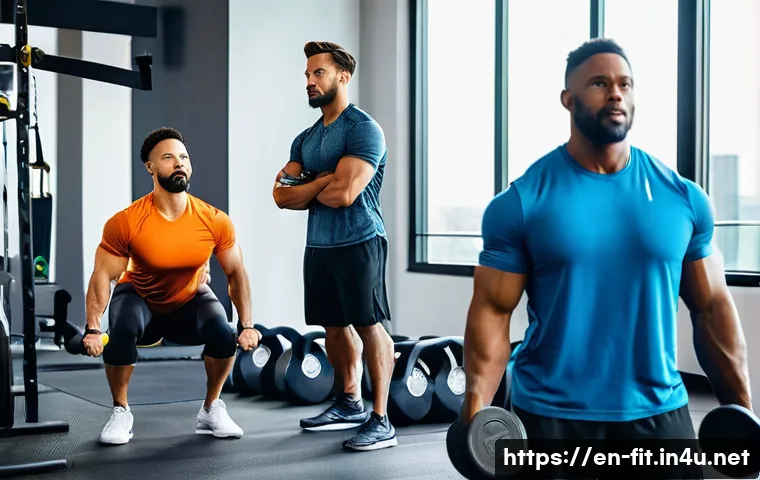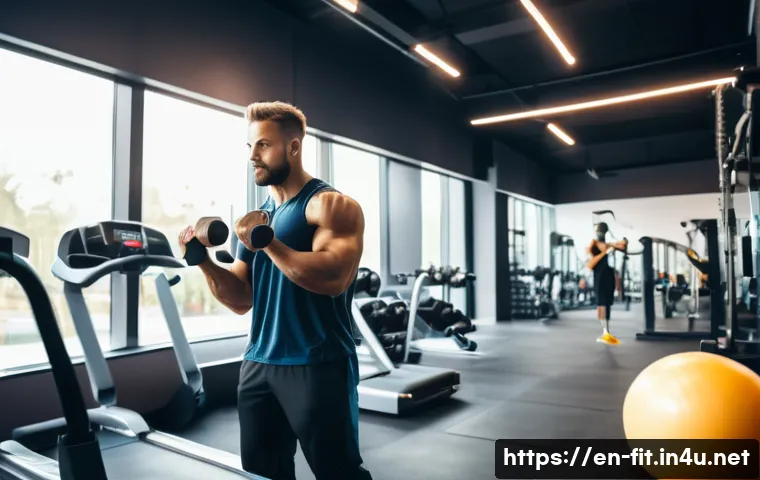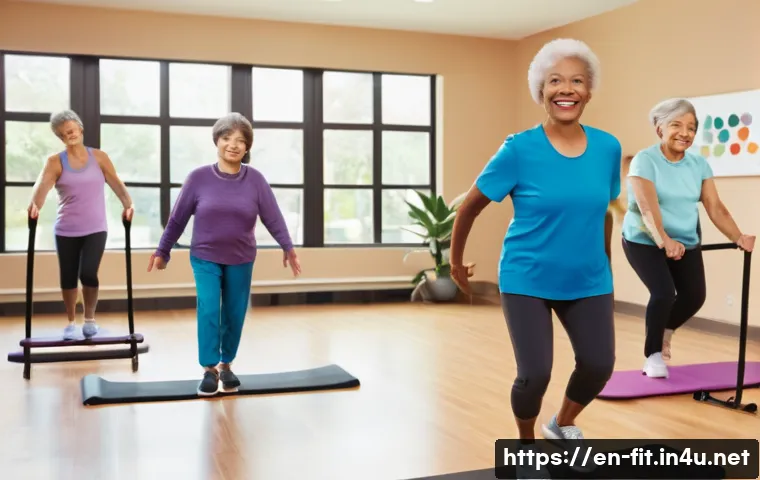
As we age, maintaining strength and mobility becomes more important than ever, and that’s where senior fitness trainers play a vital role. These professionals specialize in designing safe, effective workouts tailored to the unique needs of older adults.
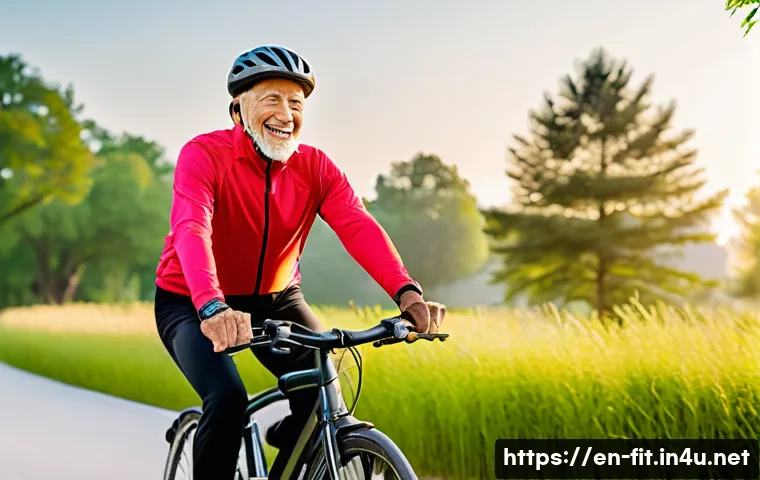
From improving balance to boosting cardiovascular health, their expertise helps seniors stay active and independent. Having worked with clients across different age groups, I’ve seen firsthand how personalized training can transform lives and prevent common age-related issues.
If you’re curious about how senior fitness training can make a difference, let’s dive deeper and explore the essentials together!
Understanding the Unique Needs of Older Adults in Fitness
Physical Changes That Affect Exercise
As we get older, our bodies go through a variety of changes that influence how we should approach physical activity. Muscle mass naturally decreases, bones become more fragile, and joint flexibility declines.
These factors mean that seniors often need gentler, more carefully tailored workouts compared to younger adults. From my experience working with older clients, I’ve noticed that even small adjustments, like lowering the intensity or adding longer warm-up periods, can make a huge difference in both safety and effectiveness.
It’s not just about pushing harder; it’s about respecting the body’s evolving limits and working smartly within them.
Mental and Emotional Considerations
Beyond the physical, mental and emotional health plays a huge role in senior fitness. Many older adults face challenges like decreased motivation, fear of injury, or even feelings of isolation.
That’s why a good trainer doesn’t just focus on the exercises but also builds trust and encouragement. I’ve seen firsthand how positive reinforcement and social interaction during sessions can boost not only physical outcomes but also mental well-being.
This holistic approach often leads to better adherence and more joyful participation in fitness routines.
Common Health Concerns and Modifications
Many seniors come with pre-existing health conditions such as arthritis, hypertension, or diabetes, which require modifications to standard workouts. A knowledgeable trainer will create personalized plans that avoid aggravating these issues while still promoting strength, flexibility, and endurance.
For instance, low-impact cardio like swimming or cycling often replaces running to reduce joint stress. Through careful monitoring and regular communication, trainers help clients safely progress without risking setbacks, which is crucial for long-term success.
Building Balance and Stability to Prevent Falls
Why Balance Training Is Essential
Balance naturally deteriorates with age due to muscle weakness and neurological changes, making falls a significant risk for seniors. I’ve had clients who were terrified of falling, and introducing targeted balance exercises like single-leg stands or heel-to-toe walks helped them regain confidence.
These exercises not only improve physical stability but also enhance body awareness, which is key to preventing injuries. The transformation I’ve witnessed is remarkable—clients who once hesitated now move with assurance and less fear.
Incorporating Functional Movements
Functional training focuses on movements that mimic everyday activities such as getting up from a chair, climbing stairs, or carrying groceries. These exercises are particularly beneficial for seniors because they directly translate into improved daily independence.
For example, incorporating squats with proper form builds the leg strength needed for standing up easily. Over time, these practical exercises reduce reliance on others and contribute to a higher quality of life.
Simple Tools to Enhance Stability
Using props like balance boards, resistance bands, or stability balls can make balance training more engaging and effective. I often introduce these tools gradually so clients feel comfortable and avoid frustration.
They provide varying levels of challenge, allowing progression without overwhelming the individual. Plus, these tools add variety, which keeps workouts interesting and helps maintain long-term commitment.
Cardiovascular Health and Endurance for Seniors
Safe Ways to Boost Heart Health
Cardiovascular fitness is crucial for preventing heart disease, managing weight, and maintaining overall vitality. However, traditional high-impact cardio can be too intense for many older adults.
From my observations, low-impact options like walking, water aerobics, and cycling are excellent alternatives that improve endurance without stressing joints.
Monitoring heart rate during exercise ensures that clients stay within safe zones, maximizing benefits while minimizing risks.
Building Up Gradually
One of the biggest mistakes I’ve seen is trying to ramp up intensity too quickly. For seniors, slow and steady wins the race. Starting with shorter sessions and gradually increasing duration and intensity helps build stamina sustainably.
This gradual approach reduces the likelihood of burnout or injury and encourages a positive mindset around exercise.
Using Technology to Track Progress
Fitness trackers and heart rate monitors have become game changers for senior clients. They provide real-time feedback and help tailor workouts more precisely.
I’ve found that many older adults enjoy seeing their progress visually, which motivates them to keep going. These devices also allow for safer workouts, especially when clients exercise independently.
Strength Training: Building Muscle and Confidence
Why Strength Matters More Than Ever
Muscle loss is one of the most concerning effects of aging, impacting mobility and metabolic health. Strength training isn’t just about looking toned; it’s about preserving independence and preventing falls.
When I introduced resistance exercises to my older clients, I noticed dramatic improvements in their daily function—from climbing stairs without fatigue to carrying household items comfortably.
Choosing the Right Exercises
Free weights, resistance bands, and bodyweight exercises all have a place in senior strength programs. The key is customizing based on individual capacity and goals.
For example, someone with shoulder issues might focus more on lower body strength initially. Gradual progression and attention to form are crucial, and I always emphasize quality over quantity to avoid injury.
Overcoming Common Barriers
Many seniors worry about getting sore or injured, which can make them hesitant to lift weights. I’ve found that educating clients about proper warm-up, cool-down, and recovery reduces anxiety.
Plus, celebrating small wins builds confidence and encourages consistent effort. Sharing personal stories of progress also helps clients realize that strength training is accessible and rewarding at any age.
Flexibility and Mobility: Keeping Joints Happy
The Role of Stretching in Senior Fitness
Tight muscles and stiff joints can severely limit movement and cause discomfort. Stretching routines tailored to seniors improve range of motion and reduce pain.
I always recommend incorporating gentle dynamic stretches before exercise and static stretches after workouts to maximize benefits. From my experience, clients who stick with flexibility work notice less joint stiffness and better posture.
Mobility Drills That Make a Difference
Mobility exercises focus on joint health and movement quality, addressing areas like hips, shoulders, and spine. Simple drills such as hip circles or shoulder rolls can be done daily and have a profound impact over time.
I often teach these exercises as part of warm-ups or cool-downs, helping clients maintain smooth, pain-free motion in everyday life.
Integrating Mind-Body Practices
Yoga and Tai Chi are fantastic additions to senior fitness because they blend strength, balance, and flexibility with mindful breathing. Many clients have told me these practices not only improved their physical health but also reduced stress and enhanced mental clarity.
Incorporating these elements creates a well-rounded approach that nurtures both body and mind.
Creating Sustainable Habits for Lifelong Fitness
Setting Realistic Goals Together
One of the most important factors for success is setting achievable goals that align with a senior’s lifestyle and preferences. I always collaborate closely with clients to define what success looks like for them—whether it’s walking to the park without fatigue or playing with grandchildren.
These personalized goals provide motivation and a clear roadmap.
Building a Supportive Environment
Support from family, friends, and trainers makes a huge difference in maintaining fitness routines. Group classes or buddy workouts often add social connection, which I’ve seen boost enthusiasm and accountability.
Encouraging clients to share their progress and challenges fosters a community feeling that helps them stick with it.
Tracking Progress and Celebrating Milestones
Keeping a fitness journal or using apps to record workouts helps seniors see how far they’ve come. Celebrating milestones, no matter how small, reinforces positive behavior and keeps spirits high.
I’ve learned that recognizing effort is just as important as the results, especially when working with older adults who might face setbacks.
| Fitness Aspect | Key Benefits | Recommended Exercises | Safety Tips |
|---|---|---|---|
| Balance & Stability | Reduces fall risk, improves confidence | Single-leg stands, heel-to-toe walk, balance board | Start with support, progress slowly, focus on form |
| Cardiovascular Health | Boosts heart health, endurance, mood | Walking, swimming, cycling, low-impact aerobics | Monitor heart rate, avoid overexertion, stay hydrated |
| Strength Training | Preserves muscle mass, supports mobility | Resistance bands, free weights, bodyweight squats | Warm-up properly, use correct form, progress gradually |
| Flexibility & Mobility | Increases range of motion, reduces stiffness | Dynamic stretches, yoga, Tai Chi, joint circles | Avoid overstretching, breathe deeply, listen to your body |
| Mental & Emotional Wellness | Enhances motivation, reduces isolation | Group classes, mindfulness exercises, social support | Encourage communication, celebrate progress, provide reassurance |
글을 마치며
Supporting the fitness needs of older adults requires a thoughtful, personalized approach that balances physical capabilities with mental and emotional well-being. Through tailored exercises focusing on balance, strength, cardiovascular health, and flexibility, seniors can enjoy improved independence and quality of life. Embracing gradual progress and fostering a positive, encouraging environment makes all the difference in maintaining lifelong fitness. Remember, it’s never too late to start moving toward a healthier, more confident you.
알아두면 쓸모 있는 정보
1. Always begin any senior fitness routine with a gentle warm-up to prepare muscles and joints, reducing injury risk.
2. Incorporate low-impact cardio exercises such as swimming or cycling to protect fragile joints while boosting heart health.
3. Use simple balance tools like resistance bands or balance boards to add variety and enhance stability progressively.
4. Set realistic, personalized fitness goals that align with daily activities to keep motivation high and results meaningful.
5. Encourage social interaction through group classes or buddy workouts to support mental health and improve adherence.
핵심 포인트 정리
Older adults benefit most from fitness programs that respect their unique physical changes and health conditions, emphasizing safety and gradual progression. Balance and stability exercises are crucial to prevent falls, while strength training helps maintain independence. Cardiovascular workouts should be low-impact, paired with flexibility routines to keep joints healthy. Mental and emotional support plays a vital role in sustaining motivation and enjoyment. Overall, a well-rounded, supportive approach tailored to individual needs leads to lasting fitness success in seniors.
Frequently Asked Questions (FAQ) 📖
Q: How can a senior fitness trainer help improve balance and prevent falls?
A: Senior fitness trainers focus on exercises that enhance stability, coordination, and muscle strength, all of which are crucial for maintaining balance.
By incorporating tailored balance drills, strength training, and flexibility routines, they help reduce the risk of falls—a leading cause of injury among older adults.
From my experience working with seniors, even small improvements in balance can significantly boost confidence and independence, making everyday activities safer and more manageable.
Q: Is it safe for older adults with chronic conditions to engage in fitness training?
A: Absolutely, but it’s essential that workouts are personalized and supervised by qualified trainers who understand the specific health concerns of older adults.
Senior fitness trainers are trained to adapt exercises based on conditions like arthritis, diabetes, or heart disease, ensuring safety while promoting gradual improvements in strength and endurance.
I’ve seen clients with various chronic issues thrive when their programs are carefully monitored and adjusted, leading to better mobility and overall quality of life.
Q: What types of workouts are most effective for seniors to maintain strength and mobility?
A: A well-rounded senior fitness program usually includes a mix of strength training, cardiovascular exercises, flexibility stretches, and balance work. Strength training helps preserve muscle mass, cardiovascular activities boost heart health, flexibility exercises improve range of motion, and balance drills prevent falls.
From my direct experience, combining these elements in a personalized plan not only supports physical health but also enhances mood and energy levels, making a huge difference in day-to-day living.